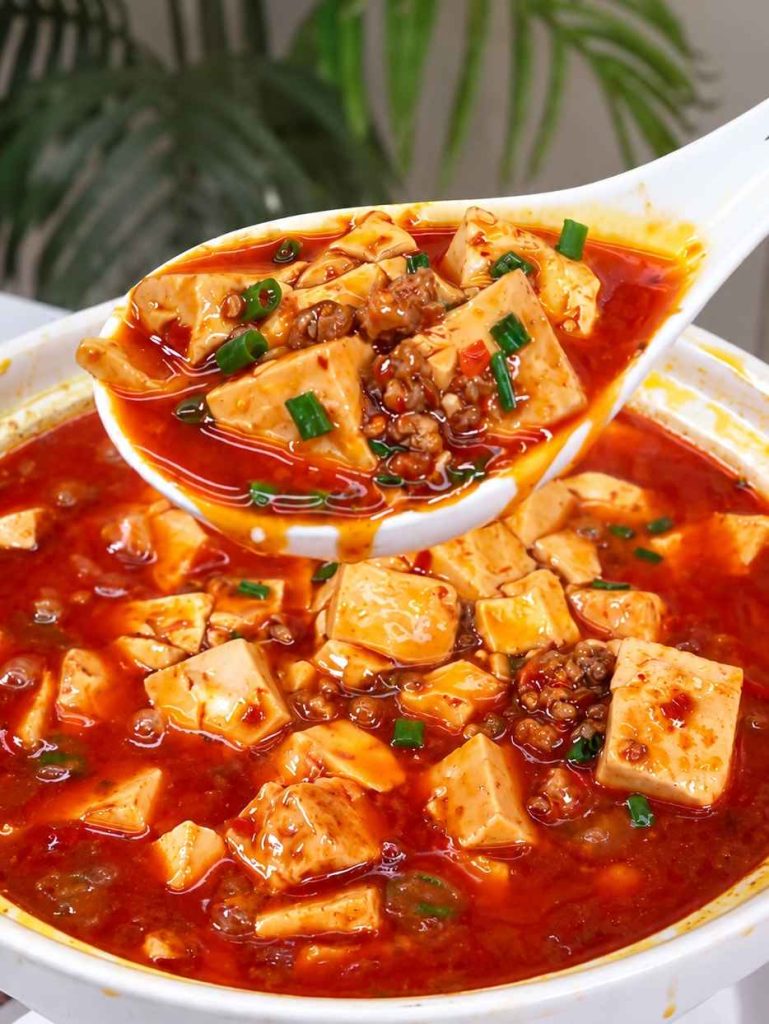
Chinese food does not always require complicated ingredients or professional kitchen equipment. Many classic dishes can be prepared at home with just a few everyday ingredients, a wok or frying pan, and some basic seasonings.
If you are looking for easy Chinese recipes, this list brings together 12 simple Chinese home-style dishes that are perfect for everyday cooking. It includes vegetable dishes, chicken recipes, egg dishes, fried rice, noodles, and soup.
Most of the ingredients can be found at regular supermarkets or Asian grocery stores. Even if you are new to Chinese cooking, you do not need advanced cooking skills to get started. These recipes are a great way to explore common ingredient combinations and traditional Chinese home-cooking methods.
From simple tomato and egg stir-fry to savory cola chicken wings and light seaweed egg drop soup, these 12 dishes offer plenty of ideas for everyday lunches and dinners.
Top 12 Easy Chinese Recipes
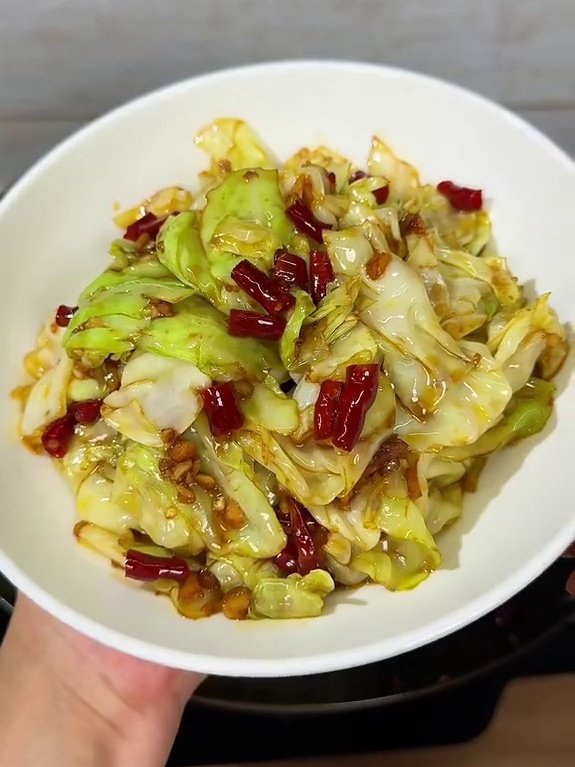
1. Hand-Torn Cabbage
Hand-torn cabbage is a popular Chinese vegetable stir-fry made with cabbage, garlic, and dried red chili peppers. It is mainly seasoned with light soy sauce and Chinese black vinegar, giving the dish a slightly sour and spicy flavor.
This recipe does not require much preparation. Simply tear the cabbage leaves into bite-sized pieces by hand and stir-fry them quickly over high heat.
Hand-Torn Cabbage
Ingredients
Equipment
Method
- Cut the cabbage in half and remove the tough core. Tear the leaves by hand into pieces approximately 4–5 cm wide.
- Rinse the cabbage under clean water and drain thoroughly in a colander.
- Finely mince the garlic and cut the dried red chili peppers into sections. Remove the chili seeds if you prefer a milder dish.
- Add 30 ml of vegetable oil to a wok and heat over medium-high heat.
- Add the dried red chili peppers and stir briefly. Add the minced garlic and stir-fry for approximately 10–15 seconds until fragrant. Immediately add the cabbage.
- Increase the heat to high and stir-fry the cabbage for approximately 1–2 minutes, until the leaves begin to soften and slightly darken while retaining some firmness.
- Add 15 ml of light soy sauce, 10 ml of Chinese black vinegar, and 2 g of salt.
- Stir-fry quickly for approximately 20–30 seconds so the seasonings coat the cabbage evenly.
- Turn off the heat when the cabbage is softened but still crisp and there is no large amount of liquid in the bottom of the wok. Transfer to a serving plate.
Notes
- Drain the cabbage thoroughly after washing to prevent excess water from accumulating during stir-frying.
- Cook the garlic briefly. Overcooked garlic can turn dark and develop a bitter taste.
- Stir-fry the cabbage quickly over high heat. Prolonged cooking will make it too soft.
- If Chinese black vinegar is unavailable, unseasoned rice vinegar can be used, although the aroma will be different.
- Serve immediately for the best texture. The cabbage will become softer if left standing for too long.
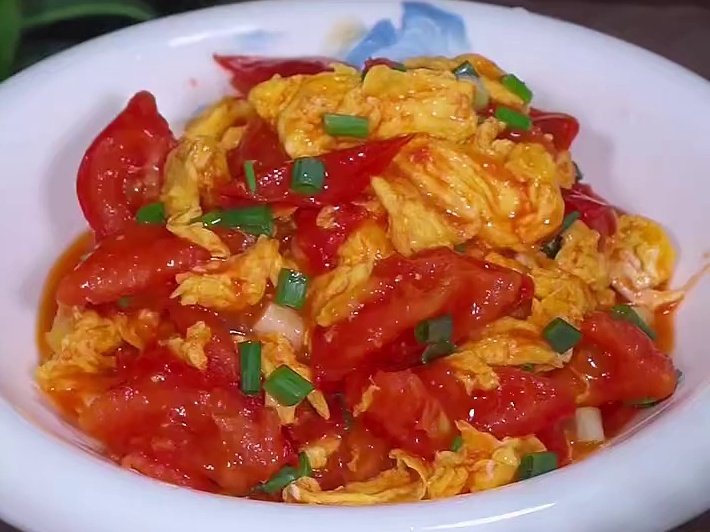
2. Tomato and Egg Stir-Fry
Tomato and egg stir-fry is one of the essential dishes for anyone who enjoys Chinese home cooking. It uses just two main ingredients: tomatoes and eggs, along with a little vegetable oil, salt, and sugar.
The eggs remain soft and tender, while the tomatoes release their juices during cooking to create a natural sauce. Cooking the two ingredients separately before combining them makes it easier to control their texture and doneness.
This dish can be served on its own or spooned over a bowl of steamed rice.
Tomato and Egg Stir-Fry
Ingredients
Equipment
Method
- Wash the tomatoes, remove the tough stem ends, and cut them into evenly sized chunks.
- Crack the 4 eggs into a mixing bowl and beat thoroughly with chopsticks until the whites and yolks are evenly combined.
- Wash the scallions and finely chop them. Set aside.
- Heat the wok and add 15 ml of vegetable oil.
- Pour in the beaten eggs. Quickly push the eggs around with a spatula until they form soft, medium-sized curds.
- Once the eggs are mostly set and no longer visibly runny, transfer them to a plate and set aside.
- Leave a little oil in the wok and add the remaining 15 ml of vegetable oil.
- Add the tomatoes and 2 g of salt. Stir-fry for approximately 3–5 minutes.
- Gently press some of the tomato pieces with the spatula to help release their juices.
- Continue cooking until most of the tomatoes have softened and a noticeable amount of red tomato juice has collected in the wok.
- Return the cooked eggs to the wok.
- Add 8 g of white sugar and gently stir to combine the eggs and tomatoes.
- Continue stir-frying for approximately 30–60 seconds so the eggs absorb some of the tomato juices.
- Add the remaining 1 g of salt and 10 g of chopped scallions. Stir briefly.
- Turn off the heat when the eggs are coated with tomato juices and the sauce reaches your preferred consistency. Transfer to a serving plate.
Notes
- Cook the eggs first and remove them from the pan to prevent them from becoming dry while the tomatoes soften.
- Cook the tomatoes separately until they release their juices. Additional water is not necessary.
- Gently pressing some tomato pieces with the spatula helps release their juices.
- Sugar balances the acidity of the tomatoes. Reduce the amount if using very ripe, sweet tomatoes.
- Serve shortly after cooking to keep the eggs soft.
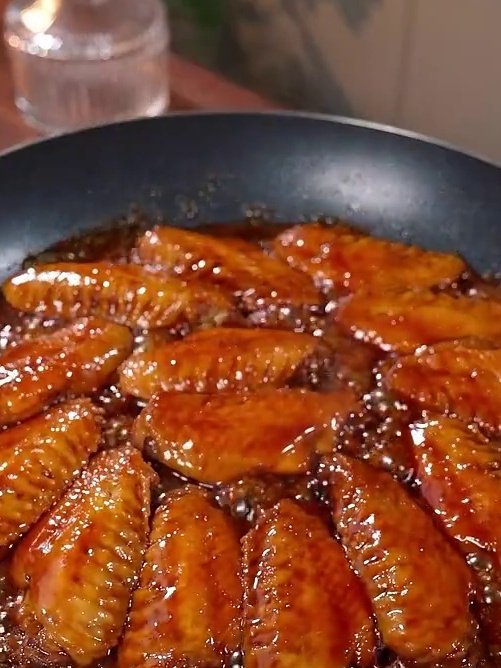
3. Cola Chicken Wings
Cola chicken wings are a popular Chinese home-style chicken dish made with chicken wings and cola. The combination of cola and soy sauce creates a sweet and savory glaze.
To prepare this dish, start by preparing and blanching the chicken wings. Pan-fry them until both sides are golden brown, then add cola, ginger, star anise, and soy sauce. Let the wings simmer before reducing the sauce until it coats the surface.
You only need a regular frying pan to make this recipe, so there is no need for an oven. It is a good choice if you enjoy chicken dishes with a balance of sweet and savory flavors.
For another Chinese chicken dish, try our homestyle Kung Pao chicken recipe.
Cola Chicken Wings
Ingredients
Equipment
Method
- Check the chicken wings and remove any remaining feathers or surface impurities. Pat dry with paper towels. Wash your hands and clean all utensils and work surfaces that have come into contact with raw chicken.
- Add 1500 ml of water to a saucepan. Add the chicken wings, some of the ginger slices, some of the scallion sections, and 15 ml of Chinese cooking wine.
- Bring the water to a boil and skim off the foam from the surface. Continue boiling for approximately 1 minute.
- Remove the chicken wings and drain thoroughly. Discard the ginger and scallions used for blanching.
- Add 15 ml of vegetable oil to a frying pan and heat over medium heat.
- Arrange the chicken wings in a single layer. Pan-fry each side for approximately 3 minutes.
- Turn the wings when the underside develops an even light golden-brown color. Continue cooking until both sides are golden.
- Add the remaining ginger slices, 1 star anise, and 5 g of white sugar to the pan.
- Add 15 ml of light soy sauce, 5 ml of dark soy sauce, and 330 ml of cola. Gently turn the chicken wings to distribute the seasonings.
- Cover the pan and simmer over medium-low heat for approximately 8 minutes. Turn the wings once during cooking if needed.
- Use a food thermometer to check the thickest part of the chicken. The internal temperature must reach 74°C. Continue cooking if necessary.
- Remove the lid and increase the heat to medium-high to reduce the sauce.
- Gently turn the chicken wings frequently to prevent the sugar in the cola from sticking to the pan or burning.
- When the sauce becomes thick and coats the chicken wings evenly, add the remaining scallions.
- Turn off the heat and transfer the chicken wings and sauce to a serving plate.
Notes
- Drain the chicken wings thoroughly after blanching to reduce oil splattering during pan-frying.
- Arrange the wings in a single layer so they brown evenly.
- The 8-minute simmering time is a guideline. Always check that the thickest part of the chicken reaches an internal temperature of 74°C.
- Cola contains sugar, so watch the pan carefully during the final reduction to prevent the sauce from burning.
- Use regular sweetened cola. Sugar-free cola will change the sweetness and consistency of the sauce.
4. Garlic Broccoli
Garlic broccoli is a Chinese-style vegetable dish made primarily with broccoli and garlic. The florets are particularly good at holding onto a thick garlic sauce.
This recipe follows three main stages: blanch the broccoli, sauté the minced garlic, and coat the broccoli with the prepared sauce. The sauce is made with light soy sauce, oyster sauce, sugar, and cornstarch.
Blanching the broccoli beforehand reduces the time needed for stir-frying. However, avoid blanching it for too long. The sauce thickens as it cooks, making it easier to coat the broccoli evenly.
For another Chinese vegetable dish with a savory sauce, try our Chinese red-braised eggplant recipe.
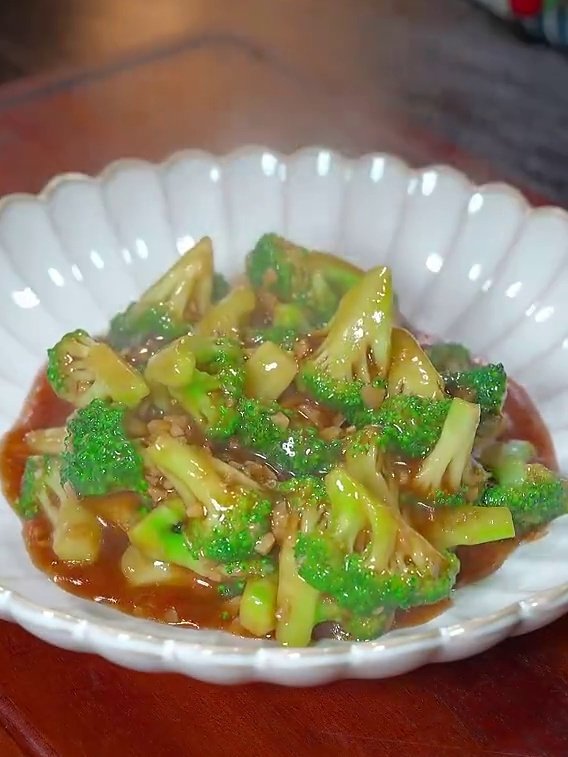
Garlic Broccoli
Ingredients
Equipment
Method
- Cut the broccoli into evenly sized florets. Peel the tough outer layer of thicker stems and cut them into smaller pieces.
- Prepare approximately 1000 ml of water and add 1 g of salt. Soak the broccoli in the salted water for 10 minutes.
- Rinse the broccoli with clean water and drain in a colander.
- Peel the garlic and finely mince it.
- In a mixing bowl, combine 15 ml of light soy sauce, 15 ml of oyster sauce, 1 g of chicken bouillon powder, 3 g of white sugar, 1 g of salt, and 60 ml of water.
- Add 5 g of cornstarch and stir thoroughly until no visible starch granules remain.
- Add approximately 1000 ml of water to a saucepan and bring to a boil.
- Add 1 g of salt and 5 ml of vegetable oil.
- Add the broccoli and blanch for approximately 2 minutes, until the florets turn bright green and begin to soften while the stems remain slightly firm.
- Remove the broccoli and drain thoroughly.
- Heat a separate wok and add 15 ml of vegetable oil over medium-low heat.
- Add the minced garlic and stir-fry for approximately 15–20 seconds until fragrant but not browned.
- Stir the prepared sauce again and pour it into the wok.
- Keep the heat at medium and stir continuously until the sauce begins to bubble and becomes noticeably thick.
- Add the blanched and drained broccoli to the wok.
- Gently toss with a spatula so the garlic sauce coats the florets and stems evenly.
- Continue stir-frying for approximately 30–60 seconds. Turn off the heat and transfer to a serving plate.
Notes
- Soak the broccoli in salted water, rinse it, and drain before cooking.
- Blanch for approximately 2 minutes. Remove the broccoli while the stems still have some firmness.
- Cook the garlic only until fragrant. Do not allow it to become dark brown.
- Stir the cornstarch mixture again immediately before adding it to the wok because starch settles at the bottom.
- Cook the sauce until thick before adding the broccoli. This helps the sauce cling evenly to the florets.
- Vegetarian mushroom oyster sauce can replace regular oyster sauce, although the seafood flavor will be absent.
5. Ham Sausage and Egg Fried Rice
Fried rice is a common way to use leftover cooked rice in China. Ham sausage and egg fried rice is made with cooked rice, eggs, ham sausage, and scallions. It does not require many ingredients.
First, scramble the eggs, then add the diced ham sausage. Finally, add the rice and stir-fry everything together. Break up any rice clumps so the eggs and ham sausage are evenly distributed throughout the rice.
This dish works well for a simple lunch or dinner, especially when you want to prepare a meal without spending too much time in the kitchen.
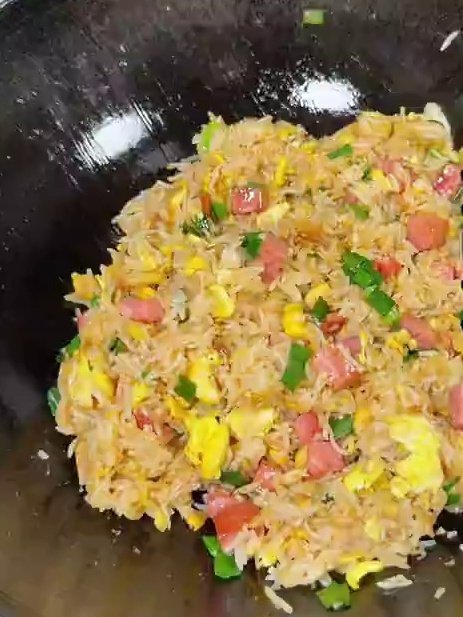
Ham Sausage and Egg Fried Rice
Ingredients
Equipment
Method
- Allow 300 g of cooked rice to cool. Place it in a large bowl and gently separate any obvious clumps with your hands or a rice paddle.
- Cut 100 g of ham sausage into small cubes approximately 0.8 cm wide.
- Crack 2 eggs into a bowl and beat thoroughly.
- Wash 15 g of scallions and finely chop them.
- Heat the wok and add 20 ml of vegetable oil.
- Pour in the beaten eggs and quickly push them around with a spatula until they form small, evenly sized curds.
- Once the eggs are mostly set, add the diced ham sausage.
- Stir-fry the eggs and ham sausage together for approximately 1 minute until the ham sausage is heated through and fragrant.
- Add the 300 g of cooked rice to the wok and use the spatula to break up any remaining clumps.
- Continue stir-frying for approximately 2–3 minutes until the rice is evenly mixed with the eggs and ham sausage, the grains become separated, and excess moisture has evaporated.
- Add 15 ml of light soy sauce and 2 g of salt. Stir from the bottom of the wok upward to distribute the seasonings evenly.
- Add 15 g of chopped scallions and stir-fry for approximately 20–30 seconds.
- Once the rice is loose and the eggs and ham sausage are evenly distributed, turn off the heat and transfer to a serving plate.
Notes
- Use cooked and cooled rice. Separate large clumps before adding it to the wok.
- Cook the eggs before adding the ham sausage so both ingredients receive even heat.
- Break up the rice clumps promptly after adding the rice to prevent large lumps from remaining.
- Ham sausage already contains salt, so adjust the added salt according to its flavor.
- Refrigerate leftover cooked rice promptly and reheat it thoroughly when making fried rice.
- Add the scallions at the end to preserve their fresh aroma.
6. Green Pepper and Potato Stir-Fry
Green pepper and potato stir-fry is a simple Chinese home-style dish made with potatoes and green bell peppers. The potatoes are cut into thin strips and stir-fried with green peppers and minced garlic.
The preparation of the potatoes is especially important. After cutting them into strips, rinse them several times in clean water to remove excess surface starch. Briefly blanch them before stir-frying with the green peppers.
This method helps the potato strips retain their shape and gives the finished dish a pleasantly crisp texture.
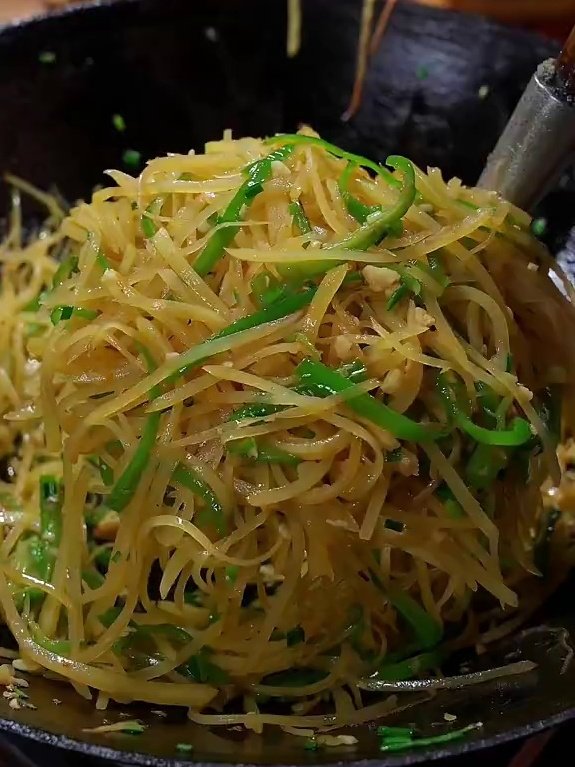
Green Pepper and Potato Stir-Fry
Ingredients
Equipment
Method
- Wash and peel the potatoes. Cut them into slices approximately 3 mm thick, then cut the slices into evenly sized thin strips.
- Place the potato strips in a bowl of clean water and gently stir with your hands. Drain the cloudy water and repeat several times until the excess surface starch is noticeably reduced.
- Transfer the potato strips to a colander and drain.
- Wash the green pepper, remove the stem and seeds, and cut it into thin strips.
- Mince the garlic and finely chop the scallions. Set aside.
- Add approximately 1000 ml of water to a saucepan and bring to a boil.
- Add the potato strips and gently separate them with chopsticks. Blanch for approximately 1 minute.
- Remove the potato strips as soon as they become slightly translucent while still retaining some firmness.
- Transfer the potato strips to cold water briefly, then drain thoroughly.
- Heat a wok and add 20 ml of vegetable oil.
- Add the minced garlic, followed by the green pepper strips.
- Stir-fry for approximately 30–40 seconds until the garlic becomes fragrant and the peppers begin to soften while retaining their color.
- Add the drained potato strips to the wok.
- Add 10 ml of light soy sauce and 2 g of salt. Stir-fry over high heat for approximately 1 minute.
- Add 10 g of chopped scallions and stir briefly.
- When the potato strips are evenly colored, have no noticeably raw white centers, and still retain some crispness, turn off the heat and serve.
Notes
- Rinse the cut potatoes several times to remove excess surface starch and reduce sticking during cooking.
- Blanch for approximately 1 minute. Do not allow the potato strips to become completely soft in the water.
- Drain the potatoes thoroughly after cooling to prevent excess moisture from entering the wok.
- Cook the garlic and green peppers first so their aromas develop before adding the potatoes.
- Stir-fry over high heat for approximately 1 minute to prevent the potatoes from becoming too soft.
- Choose firm potatoes to help the strips retain their shape.
7. Lettuce with Oyster Sauce
Lettuce with oyster sauce is a simple Chinese vegetable dish made with lettuce, garlic, and oyster sauce.
Instead of stir-frying everything together, this recipe uses a separate blanching and sauce-making process. The lettuce is briefly blanched and arranged on a serving plate. Meanwhile, minced garlic is sautéed and combined with oyster sauce, light soy sauce, and cornstarch to make a thick sauce.
Simply pour the finished sauce over the lettuce before serving. This method prevents the leaves from becoming too soft due to prolonged cooking.
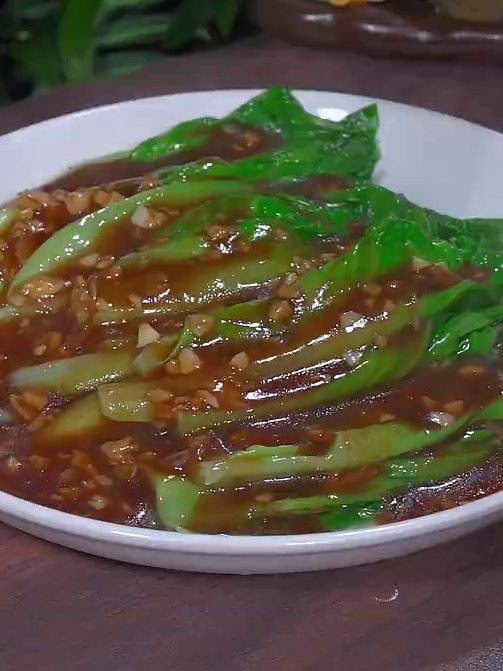
Lettuce with Oyster Sauce
Ingredients
Equipment
Method
- Remove the root end of the lettuce and separate the leaves. Discard any yellow or damaged leaves.
- Prepare approximately 500 ml of water, add 1 g of salt, and soak the lettuce for 10 minutes.
- Rinse the leaves under clean running water to remove any dirt or impurities. Drain in a colander.
- Peel the garlic and finely mince it.
- In a small mixing bowl, combine 15 ml of oyster sauce, 15 ml of light soy sauce, 3 g of white sugar, 5 g of cornstarch, and 100 ml of water.
- Stir thoroughly until the cornstarch is completely dissolved.
- Add approximately 500 ml of water to a saucepan and bring to a boil.
- Add 1 g of salt and 5 ml of vegetable oil.
- Add the lettuce and gently move the leaves with chopsticks so they are evenly exposed to the hot water. Blanch for approximately 30 seconds.
- Remove the lettuce as soon as the leaves become brighter green and begin to soften.
- Drain thoroughly and arrange the lettuce neatly on a serving plate.
- Heat a separate frying pan and add 10 ml of vegetable oil over medium-low heat.
- Add the minced garlic and stir-fry for approximately 15–20 seconds until fragrant but still light in color.
- Stir the prepared sauce again and pour it into the pan.
- Keep the heat at medium and stir continuously until the sauce begins to bubble and becomes thick.
- Pour the prepared garlic oyster sauce evenly over the arranged lettuce.
- Make sure the sauce covers both the leaves and stems. Serve immediately.
Notes
- Lettuce leaves are delicate and need only approximately 30 seconds of blanching.
- Drain the lettuce thoroughly after blanching to prevent excess water from diluting the sauce.
- Sauté the garlic only until fragrant. Do not allow it to become dark brown.
- Stir the sauce again immediately before adding it to the pan because the cornstarch settles at the bottom.
- Cook the sauce until thick before pouring it over the lettuce so it coats the leaves more evenly.
- Vegetarian mushroom oyster sauce can replace regular oyster sauce, although the final flavor will be different.
8. Seaweed Egg Drop Soup
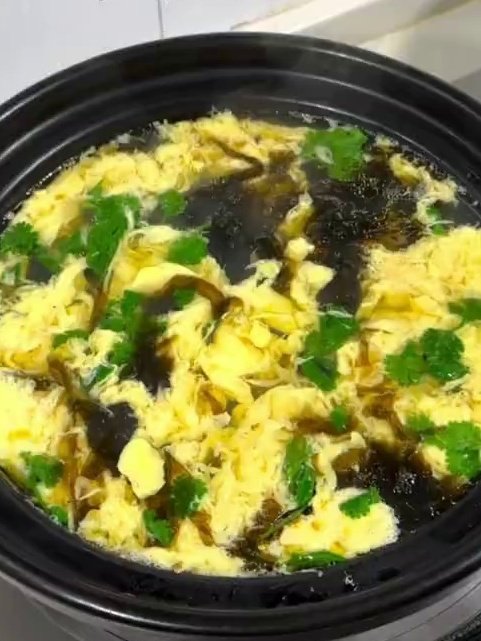
Seaweed egg drop soup is a quick and simple Chinese home-style soup. Its main ingredients include eggs, dried seaweed, dried shrimp, and cilantro.
This soup does not require a long cooking time. Slowly pour the beaten eggs into boiling water to create thin egg ribbons, then add the dried seaweed and shrimp for extra flavor.
Finish with salt, white pepper, sesame oil, and light soy sauce. The soup has a light, savory taste and pairs well with steamed rice and other Chinese home-style dishes.
For a heartier homemade soup, see our lotus root and pork rib soup recipe.
Seaweed Egg Drop Soup
Ingredients
Equipment
Method
- Crack 2 eggs into a bowl and beat thoroughly with chopsticks.
- Tear 5 g of dried seaweed into small pieces.
- Wash 10 g of cilantro and cut into small pieces.
- Prepare 10 g of dried shrimp and remove any visible impurities.
- Add 800 ml of water to a saucepan and bring to a boil over high heat.
- Once the water is fully boiling, quickly stir it in one direction with chopsticks to create a noticeable swirling current.
- Keep the water moving and slowly pour the beaten eggs around the edge of the saucepan.
- Allow the egg mixture to gradually set and form thin yellow egg ribbons. Do not stir vigorously immediately after adding the eggs.
- Once the egg ribbons have mostly formed, add 5 g of dried seaweed and 10 g of dried shrimp.
- Continue cooking for approximately 30 seconds until the seaweed softens and the dried shrimp releases its savory flavor.
- Add 10 g of chopped cilantro.
- Add 2 g of salt, 0.5 g of white pepper, 5 ml of sesame oil, and 5 ml of light soy sauce.
- Stir gently to distribute the seasonings evenly.
- Once the seaweed has softened and the egg ribbons are fully set, turn off the heat and transfer the soup to serving bowls.
Video
Notes
- Beat the eggs thoroughly before cooking so the whites and yolks are evenly mixed.
- Stir the boiling water before slowly pouring in the egg mixture. This helps create thin egg ribbons.
- Avoid vigorous stirring before the egg ribbons have set, as this can break them apart.
- Dried shrimp already contains salt, so adjust the added salt according to its flavor.
- Roasted seaweed can replace dried seaweed, but it is thinner and may contain additional salt.
- Add sesame oil near the end to preserve its aroma.
9. Braised Tofu with Scallions
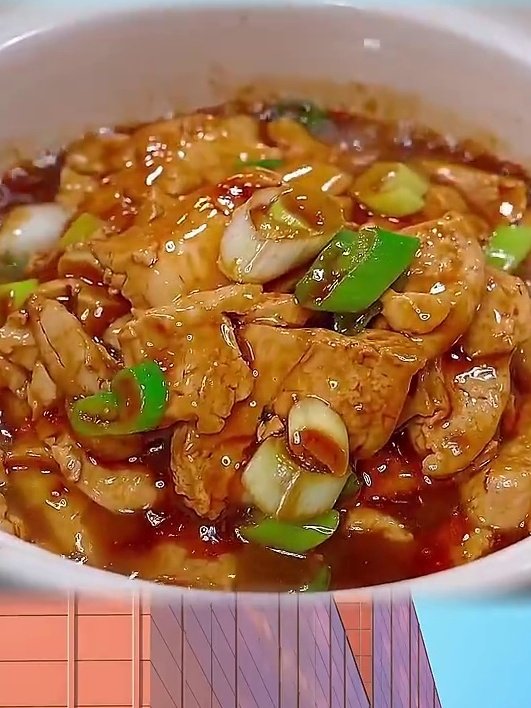
Braised tofu with scallions is a Chinese home-style dish made with tofu and green onions. Tofu has a mild flavor, making it a good base for a savory soy sauce mixture.
For this recipe, cut the tofu into pieces and pan-fry until both sides are golden brown. Add the scallions and prepared sauce, then let everything simmer together.
Pan-frying gives the tofu a firmer outer surface, making it less likely to break apart when the sauce is added. Reducing the sauce at the end helps it coat the tofu evenly.
If you do not cook tofu very often, choose firm tofu because it is easier to handle during frying and simmering.
Braised Tofu with Scallions
Ingredients
Equipment
Method
- Remove 400 g of firm tofu from its packaging and place it in a colander to drain.
- Use paper towels to gently remove excess moisture from the tofu. If necessary, let it stand for approximately 10 minutes to release additional moisture.
- Cut the tofu into evenly sized pieces approximately 2 cm wide.
- Wash 50 g of green onions or scallions and cut them diagonally into sections approximately 3–4 cm long.
- In a small mixing bowl, combine 15 ml of light soy sauce, 5 ml of dark soy sauce, 2 g of salt, 5 g of white sugar, 5 g of cornstarch, and 120 ml of water.
- Stir thoroughly until the cornstarch is completely dissolved.
- Add 30 ml of vegetable oil to a frying pan and heat over medium heat.
- Arrange the tofu pieces in a single layer without overcrowding the pan. Avoid moving them too frequently.
- Pan-fry for approximately 3–4 minutes until the bottom develops a golden-brown surface, then gently turn each piece.
- Continue pan-frying the other side for another 3–4 minutes until both sides are lightly golden.
- Add the prepared scallions to the pan and gently toss with the tofu for approximately 30–60 seconds until fragrant.
- Stir the prepared sauce again and pour it into the pan.
- Keep the heat at medium and gently shake the pan so the sauce coats the tofu.
- Once the sauce begins to bubble, reduce the heat to medium-low, cover the pan, and simmer for approximately 2–3 minutes.
- Remove the lid and continue cooking to allow some of the water to evaporate.
- Gently shake the pan so the tofu is evenly coated with the sauce. Avoid turning the tofu repeatedly with the spatula.
- Turn off the heat when the sauce becomes thick and evenly coats the tofu.
- Transfer the tofu and sauce to a serving plate and serve while hot.
Notes
- Use firm or extra-firm tofu. Silken tofu is more likely to break during pan-frying and simmering.
- Remove excess moisture from the tofu before frying to reduce oil splattering and help develop a golden surface.
- Do not move the tofu too frequently while frying. Allow the first side to develop a firm surface before turning.
- Stir the prepared sauce before adding it to the pan because cornstarch settles at the bottom of the bowl.
- After adding the sauce, gently shake the pan rather than repeatedly stirring the tofu with a spatula.
- Turn off the heat when the sauce is thick and coats the tofu evenly. Continued cooking may make the sauce too dry.
10. Scallion Oil Noodles
Scallion oil noodles are a Chinese noodle dish known for their simple preparation and aromatic scallion oil. They make an easy lunch or dinner and can also be served with vegetables or eggs.
For the complete recipe, including exact ingredient quantities and step-by-step instructions for making the scallion-infused oil, visit our scallion oil noodles recipe.
11. Smashed Cucumber with Garlic and Sichuan Peppercorn Oil
Smashed cucumber is a popular Chinese cold vegetable dish. The cucumbers are lightly smashed and cut into pieces, creating an uneven surface that allows the garlic and seasonings to cling more easily.
Sichuan peppercorn oil adds a distinctive aroma to the dish. Combined with garlic, it creates a characteristic flavor that makes this refreshing side dish a good addition to a Chinese-style meal.
For exact ingredient quantities and the full preparation method, including how to make the garlic water and season the cucumbers, see our smashed cucumber salad recipe.
12. Steamed Egg Custard
Steamed egg custard is a traditional Chinese home-style dish made primarily with eggs. The eggs are mixed with water and gently steamed until they form a soft, delicate texture.
The ingredients are simple, and you do not need complicated kitchen equipment to prepare it. It is a good recipe for anyone who wants to learn basic Chinese steaming techniques.
For the exact egg-to-water ratio, steaming time, and detailed instructions for achieving a smooth, tender texture, see our steamed egg custard recipe.
How to Plan Meals with These 12 Easy Chinese Recipes
A typical Chinese home-cooked meal often combines a staple food with vegetables, meat, and sometimes a soup. The dishes above can be mixed and matched depending on the number of people, available ingredients, and personal preferences.
A Simple Everyday Lunch
Serve tomato and egg stir-fry with green pepper and potato stir-fry and seaweed egg drop soup. Add a bowl of steamed rice to complete the meal.
These dishes use familiar ingredients and are suitable for everyday family meals.
A More Varied Family Dinner
Use cola chicken wings as the main meat dish, then serve them with garlic broccoli and hand-torn cabbage. Prepare steamed rice to go alongside the dishes.
The different cooking methods, including pan-frying, simmering, and stir-frying, provide a variety of textures and flavors.
A Simple Noodle and Vegetable Meal
Serve scallion oil noodles with smashed cucumber with garlic and Sichuan peppercorn oil, along with steamed egg custard.
This combination does not require complicated meat preparations and is suitable for families looking for a simpler meal.
What Ingredients Should Beginners Have for Chinese Home Cooking?
If you are just starting to learn Chinese home cooking, there is no need to buy a large collection of seasonings all at once. Start with a few ingredients that are commonly used in everyday dishes:
- Light soy sauce: Mainly adds saltiness and savory flavor. It is a basic seasoning for many Chinese stir-fries and sauces.
- Dark soy sauce: Darker in color than light soy sauce and mainly used to deepen the color of dishes.
- Vegetable oil: Used for stir-frying, pan-frying, and sautéing garlic.
- Garlic: Commonly used in vegetable stir-fries and sauces.
- Scallions: Often added to fried rice, tofu dishes, and soups.
- White sugar: Helps balance the acidity of tomatoes and the flavors of certain sauces.
- Cornstarch: Used to thicken sauces and give them a smooth consistency.
For kitchen equipment, a regular wok or wide frying pan, a saucepan, a kitchen knife, and a cutting board are enough to prepare most of the dishes on this list.
Frequently Asked Questions
Which Chinese home-style dishes are best for beginners?
Tomato and egg stir-fry, hand-torn cabbage, and ham sausage and egg fried rice are all good choices for beginners. They use common ingredients, have relatively simple preparation steps, and do not require long cooking times.
Do I need a wok to cook Chinese food at home?
No. A wide frying pan can replace a wok for most pan-frying and stir-frying tasks. When making fried rice or vegetable stir-fries, choose a pan with a wide cooking surface to prevent the ingredients from becoming overcrowded.
Do Chinese home-style recipes require many special seasonings?
Not necessarily. Light soy sauce, vegetable oil, salt, sugar, and garlic are enough to season many basic Chinese dishes. You can gradually add oyster sauce, dark soy sauce, Chinese black vinegar, and Sichuan peppercorn oil as you explore more recipes.
Can I prepare these easy Chinese recipes in advance?
Some ingredients can be washed, cut, and portioned ahead of time. For example, broccoli can be separated into florets in advance, and potato strips can be cut and stored temporarily in clean water.
Cooked rice should be refrigerated promptly and reheated thoroughly before use. Ingredients such as eggs and lettuce are best prepared shortly before cooking to help maintain their texture.
Start Cooking Simple Chinese Food at Home
You do not need to begin with complicated dishes to learn Chinese home cooking. Start by becoming familiar with eggs, vegetables, tofu, rice, and basic seasonings. Then gradually learn fundamental cooking methods such as stir-frying, pan-frying, braising, steaming, and boiling.
These 12 easy Chinese recipes cover a variety of everyday dishes, including staple foods, vegetables, meat, tofu, and soup. Choose a few based on the ingredients you already have and gradually build a collection of simple meals that work for your daily routine.