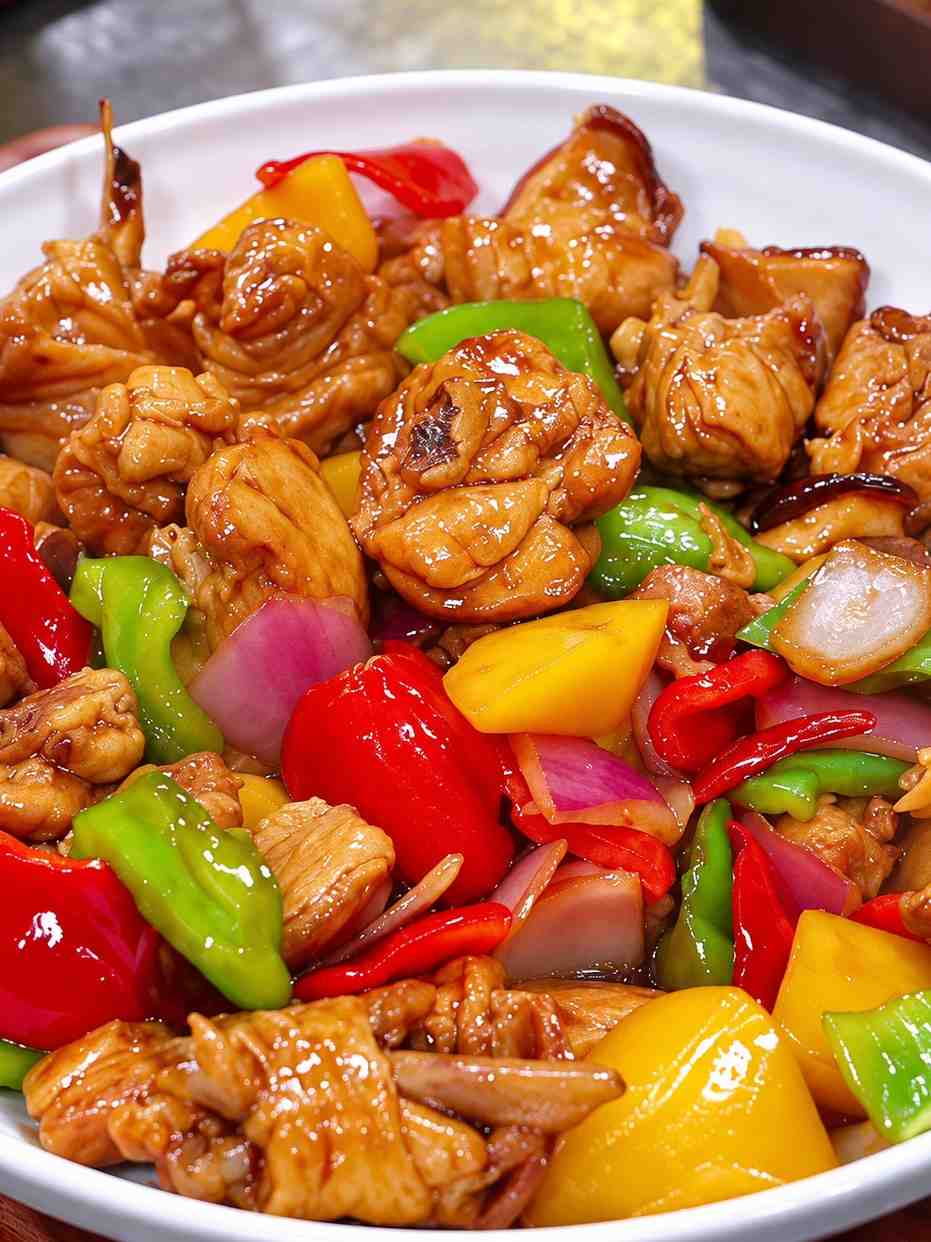
If you love tender chicken, rich savory sauces, and comforting meals that pair perfectly with rice, Huang Men Ji (黄焖鸡), also known as Chinese Braised Chicken, is definitely worth trying.
This classic Chinese home-style dish features juicy chicken thighs cooked with shiitake mushrooms, potatoes, onions, and bell peppers in a rich sauce made with light soy sauce, dark soy sauce, oyster sauce, and fermented yellow soybean paste. As the chicken is seared and slowly braised, it absorbs all the wonderful flavors of the seasonings. The potatoes become soft and flavorful, while the shiitake mushrooms add a deep, savory taste. Colorful bell peppers are added near the end, bringing both vibrant color and a pleasant contrast in texture.
What I love about this dish is that it doesn’t require complicated cooking techniques to achieve such a satisfying depth of flavor. The sauce is savory with a subtle sweetness, and the chicken turns out tender and full of flavor. Served with a bowl of steaming hot rice, it makes a wonderful family dinner.
This homemade version captures the signature savory flavor of traditional Huang Men Ji while using ingredients that are relatively easy to find at Western supermarkets or Asian grocery stores. Even if you’re new to Chinese cooking, you’ll find this dish approachable and enjoyable to make.
Huang Men Ji (Chinese Braised Chicken)
Ingredients
Equipment
Method
- Cut the chicken thighs into approximately 4–5 cm pieces. Check for and remove any loose bone fragments.
- Peel the potatoes and cut them into approximately 2 cm chunks. Remove the tough stems from the shiitake mushrooms and cut the mushrooms into pieces.
- Cut the onion, red bell pepper, and green bell pepper into bite-sized pieces.
- Slice the ginger, cut the scallions into sections, and prepare the dried red chilies and star anise.
- Place the chicken pieces in a large pot. Add 1.5 liters of cold water and 15 ml of Chinese cooking wine, making sure the chicken is mostly submerged.
- Gradually bring the water to a boil over medium-high heat. Skim off any foam that forms on the surface.
- Once the water reaches a boil, continue cooking for approximately 2–3 minutes to allow impurities to rise to the surface.
- Remove the chicken with a skimmer, drain thoroughly, and set aside.
- Heat 15 ml of vegetable oil in a wok or deep skillet over low heat.
- Add 12 g of rock sugar and stir gently until completely melted and light amber in color. Be careful not to burn the sugar.
- Add the blanched chicken and increase the heat to medium. Stir-fry for approximately 3–4 minutes until the chicken is lightly browned and evenly coated with the caramelized sugar.
- Add the sliced ginger, scallions, dried red chilies, and star anise. Stir-fry for approximately 30 seconds until fragrant.
- Add 20 ml of light soy sauce, 8 ml of dark soy sauce, 15 ml of oyster sauce, and 25 g of yellow soybean paste. Stir-fry for approximately 1 minute until the chicken is evenly coated with the seasonings.
- Pour 400 ml of boiling water into the pan. Gently stir to combine the liquid with the seasonings.
- Once the liquid returns to a boil, cover the pan with a lid and reduce the heat to low. Braise for approximately 10 minutes, allowing the chicken to absorb the flavors.
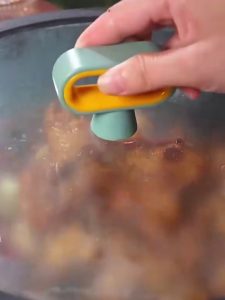
- Remove the lid and add the prepared potatoes and shiitake mushrooms. Gently stir to coat them with the sauce.
- Cover the pan again and continue braising over low heat for approximately 6 minutes. If the potatoes are still firm or the pieces are larger, braise for an additional 2–3 minutes.
- Add the onion, red bell pepper, and green bell pepper to the pan. Leave the lid off.
- Increase the heat to high and stir-fry for approximately 2–3 minutes, allowing the vegetables to become evenly coated with the sauce while excess liquid evaporates.
- Once the sauce has thickened enough to coat the chicken and vegetables, remove the pan from the heat. Do not reduce the sauce completely.
- Check the thickest part of the chicken with a food thermometer to ensure it has reached an internal temperature of 74°C (165°F). If necessary, continue cooking until it reaches this temperature.
- Transfer the Huang Men Ji to a serving dish and serve hot with steamed rice.
Notes
What Is Huang Men Ji (Chinese Braised Chicken)?
Huang Men Ji is a Chinese chicken dish closely associated with Jinan, the capital city of Shandong Province in eastern China. It is also one of the country’s well-known home-style meals and popular casual dining dishes.
One of the most common ways to enjoy it is as Huang Men Ji Mi Fan, or Chinese braised chicken with rice. The braised chicken, vegetables, and rich sauce are served together with a bowl of steamed white rice.
There are different stories about the exact origins of Huang Men Ji, so it is best not to attribute its creation to one particular year or restaurant as an established fact. Today, it has become a familiar and much-loved chicken dish throughout China.
The cooking method is an important part of what makes Huang Men Ji special. The chicken is first cooked with seasonings to develop its flavor, then braised in liquid until tender. Braising is a cooking technique that combines gentle simmering with covered cooking, allowing ingredients to slowly become tender while absorbing the flavors of the sauce.
Unlike many stir-fried chicken dishes, Huang Men Ji usually retains a generous amount of sauce. Its signature flavor is savory, rich, and slightly sweet, with the level of heat easily adjusted to suit your preference.
Why I Love This Huang Men Ji Recipe
What makes Huang Men Ji so appealing to me is the way the chicken, vegetables, and sauce come together in one satisfying dish.
Chicken thighs contain a moderate amount of fat, which helps them stay tender and juicy during braising. Compared with chicken breasts, thighs are generally better suited to longer cooking methods because they are less likely to become dry and tough.
Shiitake mushrooms add an earthy, savory depth to the dish. The potatoes soak up the flavorful sauce as they cook, becoming soft and delicious. Onions contribute a touch of natural sweetness, while red and green bell peppers provide a fresher flavor that balances the richness of the sauce.
Another advantage is that this is a convenient one-pan meal. The chicken and vegetables are cooked together, so there’s no need to prepare several complicated side dishes.
If you enjoy Chinese soy sauce chicken, mushroom braised chicken, or comforting meals with rich, savory sauces, this recipe is definitely worth adding to your dinner rotation.
Key Ingredients for Making Huang Men Ji
Most of the main ingredients in Huang Men Ji are fairly familiar, but a few Chinese seasonings play an especially important role in creating its signature flavor.
1. Chicken Thighs
Chicken thighs are an excellent choice for making Huang Men Ji.
I recommend using bone-in, skin-on chicken thighs whenever possible. The chicken skin releases flavorful fat during searing, while the meat around the bones tends to stay juicy and tender during braising. The bones also contribute extra depth to the sauce.
If your local supermarket only carries boneless chicken thighs, those will work perfectly well too. Just reduce the braising time slightly and avoid overcooking the meat.
I wouldn’t recommend chicken breasts as the first choice because they contain less fat and are more likely to lose moisture during longer cooking.
2. Chinese Fermented Yellow Soybean Paste
Fermented yellow soybean paste is one of the key ingredients responsible for the rich, savory flavor of Huang Men Ji.
It is a traditional Chinese fermented condiment made primarily from soybeans. The paste is usually yellowish or brownish in color, with a salty, savory taste and a distinctive fermented soybean aroma.
If you’re unfamiliar with Chinese condiments, you can think of it as a thick fermented bean paste used to add depth and umami to savory dishes.
You can usually find it at Chinese supermarkets or Asian grocery stores. Look for labels such as Soybean Paste, Yellow Soybean Paste, or Soya Bean Sauce.
It’s important to understand that yellow soybean paste is not exactly the same as Sichuan doubanjiang. Yellow soybean paste is generally not particularly spicy, while doubanjiang often has a stronger chili flavor and a fermented broad bean base.
If you can’t find yellow soybean paste, a small amount of mild, light-colored miso paste can be used as a substitute. However, the flavor will be slightly different, so I recommend starting with a smaller amount and adjusting to taste.
3. Light Soy Sauce, Dark Soy Sauce, and Oyster Sauce
These three condiments are common in Chinese home cooking, but they serve different purposes and can be confusing if you’re new to Chinese ingredients.
Light Soy Sauce
Light soy sauce is mainly used to add saltiness and savory flavor. It has a relatively lighter color and provides the basic soy sauce taste in the chicken and braising sauce.
Dark Soy Sauce
Dark soy sauce is darker in color and is primarily used to give dishes a deeper reddish-brown appearance. Its main purpose is coloring rather than simply adding saltiness.
You only need a small amount. Using too much can make the finished dish excessively dark.
Oyster Sauce
Oyster sauce is a thick Chinese seasoning made with oyster extracts and other ingredients. It has a savory, slightly sweet flavor that makes the Huang Men Ji sauce richer and more well-rounded.
Each of these seasonings has a different role, and combining them properly creates the distinctive layered flavor of Huang Men Ji.
4. Rock Sugar, Ginger, Scallions, and Star Anise
Rock sugar adds a gentle sweetness and also helps develop the rich color of the sauce.
In Chinese cooking, rock sugar is often used to create caramelized sugar color, a technique known as making tang se. The sugar is slowly melted over low heat until it reaches a light amber color. The chicken is then added and coated with the caramelized sugar, giving it an attractive reddish-brown appearance.
Fresh ginger, scallions, and star anise add fragrance and make the chicken taste more aromatic and flavorful.
Dried red chilies provide a little heat and extra fragrance. If you prefer a milder dish, you can reduce the amount or leave them out entirely.
5. Shiitake Mushrooms, Potatoes, and Bell Peppers
Shiitake mushrooms have a rich, earthy aroma and are an important vegetable ingredient in Huang Men Ji.
Potatoes absorb the flavorful sauce and make the dish more satisfying. I recommend cutting them into evenly sized pieces so they cook at roughly the same rate.
Onions, red bell peppers, and green bell peppers are usually added toward the end of cooking. They contribute natural sweetness and a refreshing contrast to the rich sauce, while also making the finished dish more colorful.
If you can’t find fresh shiitake mushrooms at your local supermarket, regular brown mushrooms, also known as cremini mushrooms, are a reasonable substitute. Their flavor is milder, but they still work well in this dish.
Important Tips for Making Delicious Huang Men Ji
Blanching the Chicken Helps Remove Surface Impurities
Before braising the chicken, I recommend blanching it briefly.
Place the chicken in a pot of cold water with a little Chinese cooking wine, then gradually bring the water to a boil. As the temperature rises, proteins and other impurities released from the chicken will form foam on the surface. Use a skimmer to remove this foam.
This step helps keep the braising liquid cleaner and can reduce some of the unpleasant odors associated with raw chicken.
After blanching, drain the chicken thoroughly before searing. Removing excess moisture also helps prevent too much liquid from accumulating in the pan.
Control the Heat When Caramelizing the Sugar
Caramelizing the rock sugar is an important step in developing the beautiful color of Huang Men Ji.
As the sugar melts, it gradually turns a light amber color. This is the right time to add the chicken.
Be careful not to overheat the sugar. If it becomes too dark, it can develop a burnt, bitter taste that will affect the entire dish.
I recommend melting the rock sugar slowly over low heat rather than cooking it for too long just to achieve a darker color.
Don’t Add All the Vegetables at Once
Different vegetables require different cooking times.
Potatoes and shiitake mushrooms need more time to soften and absorb the sauce. Onions and bell peppers, on the other hand, can become too soft if they are added too early.
For this reason, I prefer adding the firmer ingredients earlier and saving the onions and bell peppers until near the end of cooking.
This allows the chicken to become fully infused with the sauce while helping the vegetables retain their natural color and some of their texture.
Don’t Reduce the Sauce Too Much
One of the defining features of Huang Men Ji is its rich, flavorful sauce.
If you cook off all the liquid, the chicken may lose some of its moisture, and you’ll miss out on the delicious sauce that makes this dish so perfect with rice.
Ideally, the sauce should be thick enough to coat the chicken and vegetables evenly, while leaving a small amount of rich liquid at the bottom of the pan.
Also, remember that yellow soybean paste, oyster sauce, and soy sauces already contain salt. I recommend tasting the sauce near the end of cooking before deciding whether additional salt is necessary.
Ingredient Substitutions for International Home Kitchens
You don’t necessarily need to buy every traditional Chinese ingredient to make delicious Huang Men Ji.
If you live in the United States, Europe, or another country outside China, you can make a few practical substitutions depending on what’s available at your local grocery store.
| Original Ingredient | Possible Substitute | Flavor Differences |
|---|---|---|
| Yellow soybean paste | Light-colored miso paste | Similar fermented bean flavor, but the overall taste will be slightly different. |
| Shaoxing cooking wine | Dry sherry | Provides a similar depth and subtle wine aroma. |
| Fresh shiitake mushrooms | Cremini mushrooms | A milder mushroom flavor. |
| Chinese green peppers | Green bell peppers | A convenient substitute that works well in this dish. |
| Rock sugar | Other types of rock sugar or a small amount of regular white sugar | The sweetness may differ slightly, but either can work. |
I don’t recommend replacing yellow soybean paste directly with spicy doubanjiang unless you specifically want a noticeably spicier dish.
For the chicken, boneless chicken thighs from your local supermarket are also a convenient option. Just remember to adjust the cooking time to prevent the meat from becoming dry.
What to Serve with Huang Men Ji
The most classic accompaniment for Huang Men Ji is steamed white rice.
If you’re trying this dish for the first time, I highly recommend serving it with a bowl of hot, fragrant jasmine rice.
The rice absorbs the flavorful sauce from the chicken and vegetables, allowing you to enjoy the savory chicken and rich sauce in every bite.
If you’d like to make the meal more balanced, here are a few other dishes that pair nicely with Huang Men Ji:
- Stir-Fried Broccoli: Fresh, lightly cooked vegetables help balance the richness of the braised chicken.
- Chinese Cucumber Salad: Its crisp texture and slightly tangy flavor add a refreshing contrast.
- Steamed Rice: The simplest and most traditional accompaniment.
- Light Vegetable Soup: A good option if you’d like to include more vegetables in your family dinner.
If the sauce is particularly thick and flavorful, you can spoon a little over your rice before eating. This is one of the reasons Huang Men Ji served with rice is such a popular combination.
How to Store and Reheat Huang Men Ji
If you make a larger batch of Huang Men Ji, you can save the leftovers for another meal.
Refrigerating
Transfer the leftover chicken and sauce into a clean, airtight food container and refrigerate promptly.
Refrigerate the leftovers within 2 hours of cooking, and keep your refrigerator at 4°C (40°F) or below.
When stored properly, the leftovers are best enjoyed within 3–4 days.
Freezing
Huang Men Ji can also be frozen. However, keep in mind that potatoes and bell peppers may become softer after thawing, so their texture might not be quite as good as when freshly cooked.
If you plan to freeze the dish, it’s best to portion the chicken and sauce separately when possible. This helps minimize the effect of repeated freezing and reheating on the vegetables.
Reheating
To reheat Huang Men Ji on the stovetop, transfer it to a small saucepan, add a little water, and warm it gently over medium-low heat.
If you’re using a microwave, stir the dish halfway through reheating to help distribute the heat more evenly.
Whichever method you choose, make sure the leftover chicken reaches an internal temperature of 74°C (165°F) before serving.
Frequently Asked Questions About Huang Men Ji
1. Is Huang Men Ji spicy?
Huang Men Ji is not necessarily a spicy dish.
Its main flavors come from yellow soybean paste, soy sauce, oyster sauce, and aromatic seasonings. The dried red chilies can be adjusted according to your personal preference. If you don’t enjoy spicy food, you can leave them out entirely.
2. Can I use boneless chicken thighs for Huang Men Ji?
Absolutely!
Boneless chicken thighs are a great option for homemade Huang Men Ji and are especially convenient to prepare.
However, boneless thighs generally cook faster than bone-in chicken thighs, so you should shorten the braising time accordingly to prevent the meat from drying out.
3. Is yellow soybean paste the same as doubanjiang?
No, they are different condiments.
Yellow soybean paste is primarily made from fermented soybeans and has a savory, salty flavor with a distinctive fermented bean aroma.
Doubanjiang is generally made with broad beans and chili peppers. Sichuan-style doubanjiang, in particular, has a much stronger spicy and fermented flavor.
The two condiments should not be substituted for each other in equal amounts without adjusting the recipe.
4. Can I make Huang Men Ji without a wok?
Of course!
Although a traditional Chinese wok is commonly used in Chinese cooking, you don’t need to buy one specifically to make Huang Men Ji.
A sufficiently deep skillet with a lid or a Dutch oven will work just as well for searing the chicken and braising it with the sauce.
5. What is the best rice to serve with Huang Men Ji?
Both regular steamed white rice and jasmine rice are excellent choices.
If you enjoy rice that soaks up plenty of flavorful sauce, long-grain rice is a particularly good option because of its light, fluffy texture.
There’s no need to add extra seasoning to the rice, as Huang Men Ji already has plenty of rich, savory flavor.
Final Thoughts
Huang Men Ji is a wonderful Chinese chicken dish to make at home.
It doesn’t require expensive or hard-to-find ingredients. What really matters is choosing the right cut of chicken, balancing the seasonings, and controlling the heat during the braising process.
For anyone new to Chinese cooking, this dish is also a great introduction to Chinese soy sauces, fermented soybean paste, and traditional braising techniques.
If you’re looking for a flavorful dinner that’s easy to prepare, made with accessible ingredients, and especially delicious with steamed rice, give Huang Men Ji a try. With tender chicken, savory shiitake mushrooms, soft potatoes, and a rich, flavorful sauce, it’s a comforting homemade meal that brings the flavors of Chinese home cooking to your table.